Roof Leak Detection: Interior, Attic, Exterior, and Rooftop Checks
A roof leak rarely announces itself at the actual point of failure. Water travels. It can enter near a chimney flashing, run along sheathing, follow a rafter, soak insulation, and finally stain a ceiling ten feet away from the opening. That is why good roof leak detection is less about guessing and more about working through the building in a disciplined order: interior, attic, perimeter, exterior, and rooftop.
The visible stain is only the beginning. A ceiling leak from roof damage may look small from the room below, yet the path above it can involve wet decking, failed flashing, loose shingles, or a roof vent that has been letting water in for several storms. On the other hand, not every leak means the roof is finished. Many roof repairs are localized. A small leak may be handled with a targeted roofing repair, a few replacement shingles, properly applied sealant, or corrected flashing. Recurring leaks, widespread deterioration, or repeated failures in the same area tell a different story and may raise the question of roof repair vs replacement.
The practical goal is simple: find where water enters, understand why it enters, stop further damage, and decide whether a small roof repair is enough or whether the roof has reached the point where repair is no longer the economical choice.
Start inside, where the building is already giving evidence
Interior roof leak detection begins in the room where someone first noticed the problem. That may be a brown ceiling stain, blistered paint, a soft section of drywall, damp trim, or actual dripping during rain. The mistake many homeowners make is assuming the leak is directly above the stain. Sometimes it is. Often it is not.
A stain near an exterior wall can point to roof edge issues, damaged flashing, or gutter-related overflow, but it can also come from water traveling down framing before reaching the ceiling. A stain near a fireplace may suggest chimney flashing repair, yet the water may have entered higher up and found the chimney chase as a convenient path. A drip around a light fixture is especially concerning because water and electrical components should never mix. In that situation, the priority is safety, not detective work.
The best interior inspection uses restraint. Look, document, and protect the space, but do not tear into finished ceilings unless there is an immediate safety concern or a qualified professional recommends it. Photos help. If the stain expands during a storm, mark the edge lightly with painter’s tape and note the date. If water leaking from roof areas is active, place a container below the drip and move furniture away. A wet ceiling that sags should be treated carefully because saturated drywall can release suddenly.
The pattern matters. A leak that appears only during wind-driven rain often points to openings that ordinary vertical rainfall may not reach, such as sidewall flashing, vents, or lifted shingles. A leak that appears after snow and thaw cycles may involve ice dam roof repair considerations, especially where roof edges, insulation, and drainage all play a role. A leak that shows up long after rain stops may mean water has been stored in insulation or trapped in a roof assembly before finally making its way down.
Interior signs also help with urgency. A faint stain that has not changed in months still deserves attention, but it is not the same as an active drip during a storm. Active leaks may require emergency roof repair, temporary roof tarping, or same day roof repair if conditions allow. If water is entering rapidly, the immediate objective is damage control, followed by a proper repair when the roof can be safely inspected.
The attic usually tells the truth, if you know how to read it
When an attic is accessible, it is often the most useful place to inspect after the interior rooms. The underside of the roof deck can reveal water trails, dark staining, damp insulation, rusted fasteners, and areas where daylight appears through gaps. It can also show whether a leak has been active for a long time or whether it looks recent.
A careful attic check should happen with good lighting and safe footing. Attics can be hazardous. Ceiling drywall is not a walking surface, and insulation can hide framing. If the attic has limited access, low clearance, or unsafe conditions, it is better to leave that portion of the inspection to a roof repair contractor or another qualified professional.
Water stains on rafters or sheathing often form trails. Follow them upward, not downward. The ceiling stain below is where water showed itself, but the upper end of the stain is more likely to point toward the entry area. Around roof penetrations, look for staining near vent pipes, bath fan terminations, furnace vents where present, and skylight openings. Skylight leak repair and roof vent repair frequently involve flashing details, sealants, or surrounding roofing materials rather than the skylight or vent alone.
Insulation can complicate the picture. Wet insulation may sit below the leak path, but it can also wick moisture sideways. Compressed or discolored insulation may indicate repeated wetting. If insulation is soaked, simply fixing roof leak entry may not be the only task. Wet materials may need to dry or be replaced, depending on the extent of moisture and the condition of the surrounding ceiling.
A useful attic inspection also distinguishes roof leaks from other moisture problems. Not every attic stain comes from a hole in the roof. Condensation, plumbing lines, mechanical vents, and other building issues can create moisture. That is why roof leak detection should avoid jumping to a conclusion based on one stain. The strongest case is built when interior damage, attic staining, and exterior roof conditions all line up.
Perimeter and exterior checks without climbing the roof
A homeowner can learn a great deal from the ground. In fact, the safest first exterior inspection is usually from the yard, driveway, or an upper window, not from a ladder on a steep roof. Experienced roofers near me searches often begin after someone sees missing shingles from the ground or notices water entering during a storm. The ground-level view may not diagnose everything, but it can identify obvious trouble.
Look at the roof planes for cracked, curled, loose, or missing shingles. Those conditions are common sources of leaks and often lead to shingle roof repair or asphalt shingle roof repair. Examine valleys from a distance, since roof valley repair is a common need where water flow is concentrated. Check the ridge line and visible ridge cap areas for damage. Ridge cap repair can matter because those caps protect vulnerable roof intersections.
The perimeter deserves the same attention as the roof surface. Gutters that sag, overflow, or pull away may contribute to water problems. Gutter repair is not always roof repair, but poor drainage can make roof-edge vulnerabilities worse. Fascia repair and soffit repair may also enter the picture if water has been running behind gutters or into roof edges. Around the base of the home, look for concentrated water discharge during rain. Water management at the edge of the roof can influence what happens above and below the eaves.
Exterior walls can hold clues. Stains below a roof-to-wall intersection may suggest failed step flashing or counterflashing. Water marks around a chimney may point to chimney flashing repair. Stains around skylights from the exterior may correlate with interior ceiling marks. Still, visual clues are not proof by themselves. Flashing problems can hide beneath shingles, siding, or trim, which is why a roof repair specialist will often inspect transitions more closely than open field areas of roofing.
Storm history matters too. Wind damage roof repair, hail damage roof repair, tree damage roof repair, and broader storm damage roof repair all begin with evidence. If a branch struck the roof, if shingles disappeared after a storm, or if debris landed near a valley or vent, those details help narrow the search. Insurance may cover roof damage caused by covered perils such as wind, hail, or falling trees, but the roof’s age and condition can affect how a claim is handled. Documentation helps, especially photos taken before temporary cleanup.
When the rooftop inspection is necessary
Some leak sources cannot be confirmed from inside the home or from the ground. Eventually, a qualified roofer may need to inspect the roof surface directly. This is where safety and judgment matter. Homeowners should not climb steep roofs. Even roofs that look manageable from the ground can be slick, brittle, or unsafe, especially after rain, frost, or storm debris.
A rooftop inspection focuses on vulnerable areas first. Flashing around skylights, chimneys, and vents deserves careful attention because many leaks begin at penetrations and transitions rather than in the middle of an open roof plane. Shingles near these areas may be cracked, lifted, or poorly sealed. Sealant may have aged or separated. Metal flashing may be loose, misaligned, or no longer directing water properly.
Open roof areas still matter. Missing shingles, curled tabs, cracks, exposed fasteners, and disturbed ridge caps can all create entry points. Valleys require close inspection because they carry concentrated water. On low-slope or flat roofs, the inspection changes. Flat roof repair may involve seams, membrane damage, flashing at edges, penetrations, or drainage conditions. TPO roof repair, rubber roof repair, and EPDM roof repair each involve specific materials and repair methods, so the person inspecting should understand the roof type.
Different roofing materials call for different caution. Slate roof repair is not handled like asphalt shingle repair. Tile roof repair is not handled like metal roof repair. Cedar shake roof repair and wood shake roof repair require attention to splitting, weathering, and the way water moves through layered materials. A repair method that is acceptable for one system may damage another. That is one reason the phrase “roof repair near me” should not lead only to the closest company. It should lead to a qualified, insured roofing contractor familiar with that roof type.
Commercial roof repair and residential roof repair also differ. Apartment roof repair, church roof repair, industrial roof repair, and mobile home roof repair may involve different access, materials, code considerations, and scheduling constraints. The leak detection sequence remains similar, but the repair planning can vary significantly.
A practical leak-detection sequence
A structured inspection prevents wasted time. The order below is simple enough for a property owner to understand and thorough enough to support a useful conversation with a roof repair company.
- Document the interior stain, drip location, timing, and weather conditions when the leak appears.
- Inspect the attic safely, looking upward for water trails, damp insulation, and staining near penetrations.
- Check the exterior from the ground for missing shingles, damaged valleys, gutter problems, and visible flashing concerns.
- Review recent storm events, falling branches, wind, hail, snow, or ice buildup that may explain sudden damage.
- Have a licensed roofing contractor perform any rooftop inspection, especially on steep, wet, fragile, or high roofs.
That sequence keeps the investigation grounded. It also helps avoid paying for the wrong repair. A roof repair service can work more efficiently when the homeowner can say, “The ceiling stain appeared during wind-driven rain, the attic shows staining near the chimney side, and the exterior wall below the chimney has water marks.” That is much more useful than, “There is a leak somewhere.”
Why leaks often show up around flashing, vents, valleys, and edges
Roof surfaces are designed to shed water. The most vulnerable areas are the places where that continuous surface is interrupted or where water is concentrated. Flashing exists to manage those interruptions. When flashing is damaged, missing, aged, or poorly integrated with the roofing material, water can find a path inside.
Chimneys are a classic example. They interrupt the roof plane and require careful flashing. If the flashing fails, water may enter around the chimney and travel into the attic or wall cavity. Chimney flashing repair may be a small job compared with a full roof replacement, but it must be done correctly. Caulk smeared over a gap may slow a leak briefly, yet it is rarely a substitute for proper flashing work when the underlying detail has failed.
Skylights create similar challenges. A skylight leak may come from the skylight unit, but it may also come from the surrounding roof flashing or shingles. Skylight leak repair should determine whether the water is entering through the glazing, the frame, the flashing, or adjacent roofing. Treating every skylight leak as a simple sealant issue can miss the real defect.
Vents and pipe penetrations are also common. Roof vent repair can involve cracked boots, loose flashing, or surrounding shingle damage. Valleys are another frequent source because they handle a large volume of water. If shingles are damaged near a valley or if debris slows drainage, roof valley repair may be necessary. Roof edges, fascia, and soffits can suffer when drainage problems persist, tying roof repair and gutter repair together.
Temporary control is not the same as permanent repair
During an active storm, the right move may be temporary protection. Roof tarping, an emergency roof tarp, or other emergency roofing services can reduce interior damage until a permanent repair is possible. That is especially true after storm damage, tree impact, or sudden water intrusion. A 24 hour roof repair call may result in temporary stabilization first, with the final roof repair scheduled when conditions are safe.
Temporary work has limits. Tarping is not a diagnosis. It covers an area, buys time, and helps protect the property. Once weather clears, the roof still needs inspection. The same applies to quick sealant work. Small leaks can sometimes be fixed with caulk, replacement shingles, or flashing corrections, but the repair must match the cause. A roof that repeatedly leaks after patching may be showing that localized fixes are no longer enough.
Urgent roof repair also requires caution from the customer’s side. When searching for emergency roof repair near me, roof repair open now, or 24/7 roof repair, speed matters, but credentials still matter. An emergency roofer should be able to explain what is temporary, what is permanent, what conditions prevented a full repair, and what follow-up is needed.
Repair cost, estimates, and the repair-versus-replacement question
Roof leak repair cost varies because leaks vary. A small roof repair cost may involve a few shingles or a flashing correction. More involved roof damage repair may include roof deck repair if the decking has deteriorated. The type of roof material matters. Access matters. Height, slope, weather, and the amount of hidden damage all influence roof repair prices.
It is reasonable to ask for a roof repair estimate or roof repair quote before non-emergency work begins. For larger jobs, more than one estimate can help establish a realistic range. A free roof repair estimate may be offered by some companies, but homeowners should still focus on the quality of the inspection and the clarity of the scope. Cheap roof repair can be appropriate if the problem is truly minor. It becomes expensive when it masks a larger issue and the leak returns.
Full replacement is far more costly than many localized repairs. Published replacement averages around nine thousand dollars in some consumer guidance, though actual costs vary by roof size, material, location, complexity, and market conditions. That difference is why the question “should I repair or replace my roof” deserves a careful answer. If the roof is generally sound and the leak is isolated, repair can be worthwhile. If leaks recur, materials are broadly deteriorated, or damage is widespread, replacement may be the more practical long-term choice.
The phrase “patch roof or replace” often comes up when a homeowner has had two or three leaks in different areas. There is no honest answer without inspection. A roof repair contractor should explain whether the failure is localized or systemic. If underlayment has failed across a large area, if the roof covering is near the end of its useful service, or if repairs would only chase the next leak, replacement may enter the discussion. Local rules can also affect reroofing options, including whether another shingle layer can be added.
Roof repair financing may be relevant for larger repairs or replacements. If a financed home-repair contract is involved in New Jersey, contractor licensing requirements can apply. That makes it especially important to verify that a roof repair contractor is properly registered and, where required, licensed for the type of transaction.
Insurance, storm damage, and documentation
Insurance questions often arise after sudden leaks. Does insurance cover roof repair? The general answer depends on the cause, the policy, and the roof condition. Damage from covered perils roofer hanover such as wind, hail, or falling trees is commonly the type of event that may be considered. Age and condition influence how insurers evaluate roofs. Wear, neglect, or long-term deterioration is different from sudden storm damage.
A roof repair insurance claim benefits from clear records. Photos of interior leaks, attic staining, exterior damage, fallen branches, and missing shingles can help establish timing and cause. Keep invoices for emergency roof tarping and temporary protection. If a roof repair company provides an assessment, the scope should separate storm-related damage from maintenance or age-related issues where possible.
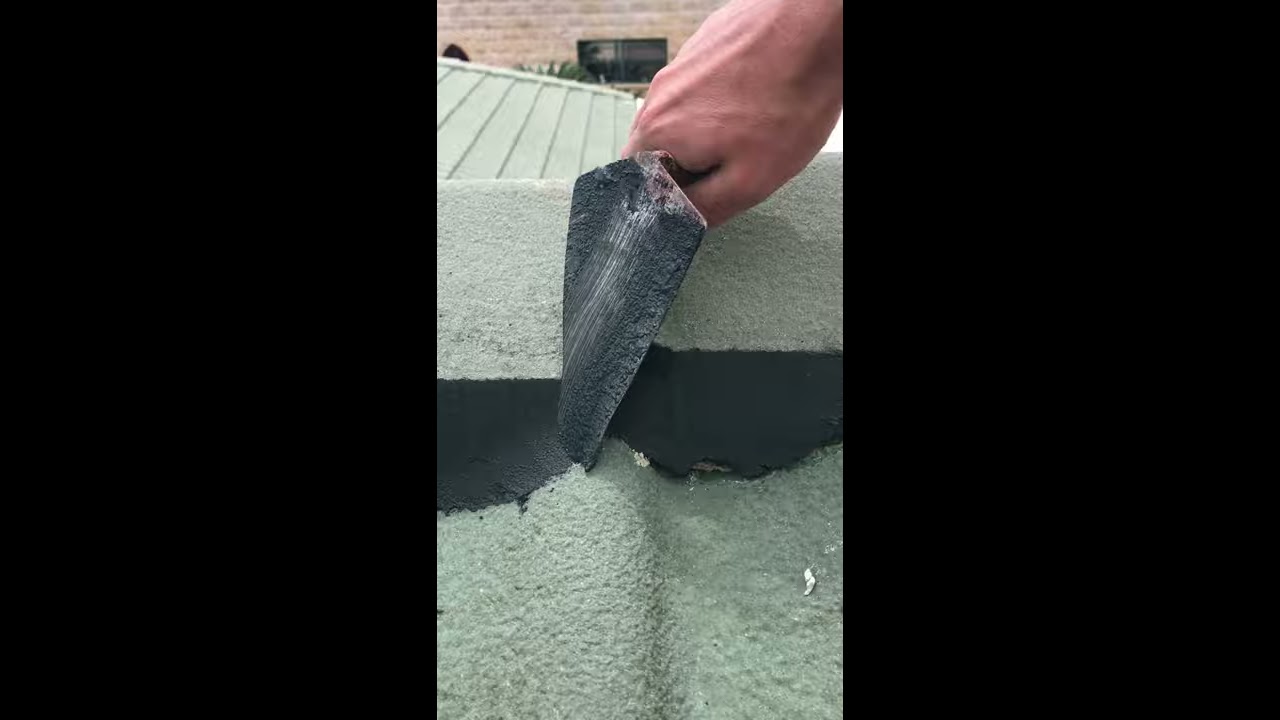
Storm damage roof repair requires care because the visible damage may not be the only damage. Wind can lift shingles without removing every one. Hail may mark roof surfaces, though evaluation should be made by someone who knows the material. Tree damage can affect shingles, flashing, decking, fascia, gutters, and structural components. A same day roof repair may stop water entry, but a complete storm assessment may take longer.
Choosing a roof repair contractor in New Jersey
Search terms like roof repair nj, roof repair new jersey, roof repair newark nj, and roof repair essex county are common because roof leaks are local problems. Weather, housing stock, roof types, and municipal expectations vary. Still, choosing among roof repair companies should not be based only on proximity or a low price.
In New Jersey, home repair contractors must register with the Division of Consumer Affairs. Contractors involved in financed home-repair contracts may also need a home repair contractor license through the state’s banking and insurance framework. https://morristownroofingcontractors.com/ Public work has separate contractor registration rules through the Department of Labor and Workforce Development. For a homeowner, the practical takeaway is straightforward: verify registration, ask about insurance, and make sure the contractor is qualified for the specific roof and repair.
A strong roof repair contractor will not rely on vague language. They should identify the suspected leak source, describe the repair area, explain whether roof flashing repair or material replacement is needed, and state what is excluded if hidden damage is possible. If roof deck repair may be needed, that uncertainty should be discussed before work begins. A roof repair warranty should be written clearly enough that the homeowner understands what is covered.
Reviews can help, but roof repair reviews should be read with judgment. The best roof repair company for one property may not be the best fit for another if the roof material or building type differs. Top rated roof repair is useful only when paired with the right experience. A certified roof repair provider or licensed roofing contractor may still need to show that they handle the exact work involved, whether it is flat roof repair, metal roof repair, slate roof repair, or ordinary asphalt shingle roof repair.
What a clear repair scope should include
A good scope does not need to be complicated, but it should be specific. It should say what area will be repaired, what materials will be removed or replaced, what flashing work is included, and whether interior damage is part of the job. It should also clarify whether the work is temporary or permanent.
A concise repair scope should answer these questions:
- Where is the likely leak entry point, and what evidence supports that conclusion?
- Which materials will be repaired or replaced, including shingles, flashing, vents, decking, fascia, soffit, or gutters?
- Is any part of the repair temporary because of weather, access, or hidden conditions?
- What warranty applies to the roof repair service, and what situations are excluded?
- How long does roof repair take under normal conditions, and what could delay completion?
Most small repairs do not take as long as major replacements, but timing depends on weather, access, material availability, roof complexity, and the extent of hidden damage. Emergency work may happen quickly to control water, while permanent repair may wait for safer conditions.
The judgment that separates a good repair from a guess
Roof leak detection is not glamorous work. It is methodical. The person inspecting must resist easy assumptions, especially when the interior stain appears far from the actual roof defect. The best investigations connect several pieces of evidence: when the leak appears, where the stain begins, what the attic shows, what the exterior reveals, and what the rooftop inspection confirms.
Not every roof leak calls for replacement. Not every stain calls for panic. But water has patience, and small leaks can damage finishes, insulation, decking, and trim if ignored. A properly handled leak starts with careful observation and ends with a repair that addresses the cause, not just the symptom.
For homeowners searching roof leak repair near me, local roof repair, affordable roof repair, or a roof repair specialist during a storm, the priority should be competence and clarity. Choose an insured roofing contractor who can inspect safely, explain findings plainly, and distinguish between a quick patch, a proper localized repair, and a roof that has reached the point where replacement deserves serious consideration. That judgment protects the building better than any guess made from a ceiling stain alone.